Precision Lab Balances

Precision lab balances can look alike at first glance, so the details matter: proportions, construction and finish. Comparing against neighbouring kinds helps confirm the choice: Digital Gram Scales.

Compare types

Weigh up the related types

Seeing the related types side by side gives a clearer view of what this one does well and where another may fit better.

How to choose

  • Choose the material for how it feels, how much it weighs and how much care it needs.
  • Think about storage between uses and choose a shape that is easy to put away.
  • Pick colour and shape last, once size, material and build are right.
  • Read the full description: names differ between makers, measurements do not.

Frequently asked questions

How do I keep a precision balance reading consistently?

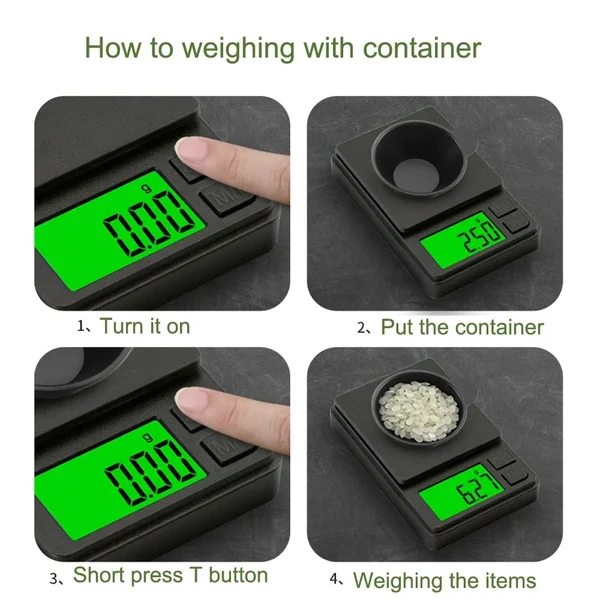
Place the balance on a level vibration-free bench away from air currents, allow it to warm up, and zero it before weighing.

What should I check when choosing an analytical balance or precision scale?

Compare maximum capacity, display readability, pan diameter, and whether a draught shield is needed for fine weighing.

How heavy should precision lab balances be?

The right weight for precision lab balances depends on use: lighter suits frequent handling, while heavier can feel steadier; check the stated weight where it is given.