
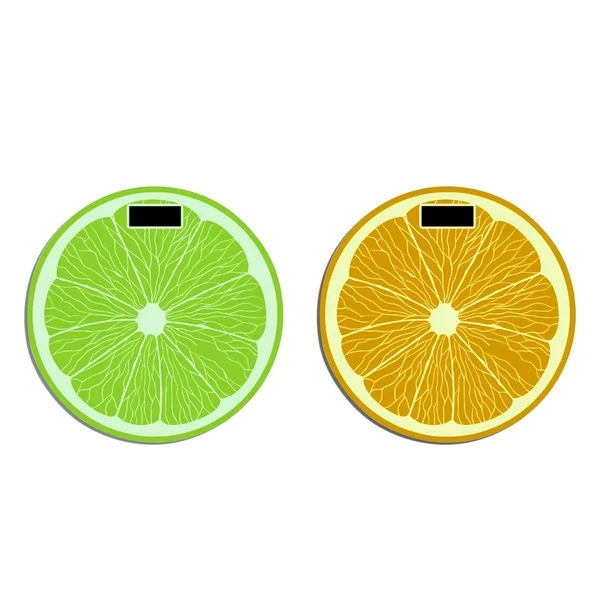
Orange & Lemon Design Body Weight Digital Scale ~5386
£32.99 incl. VAT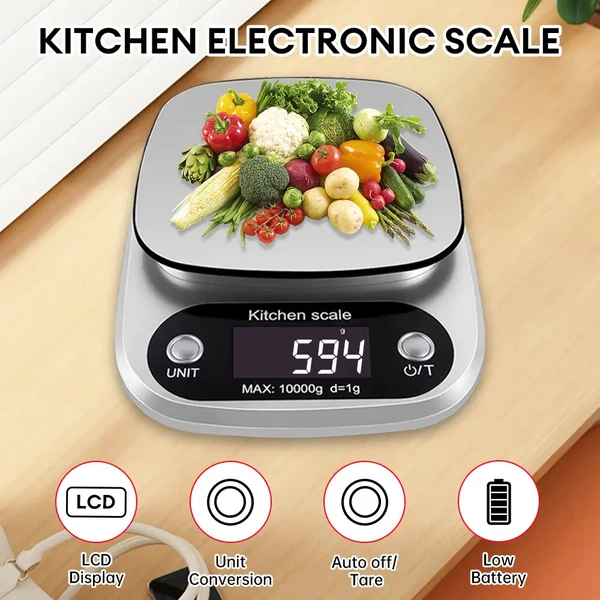
High Precision Digital Kitchen Scale, 10 kg
£40.99 incl. VAT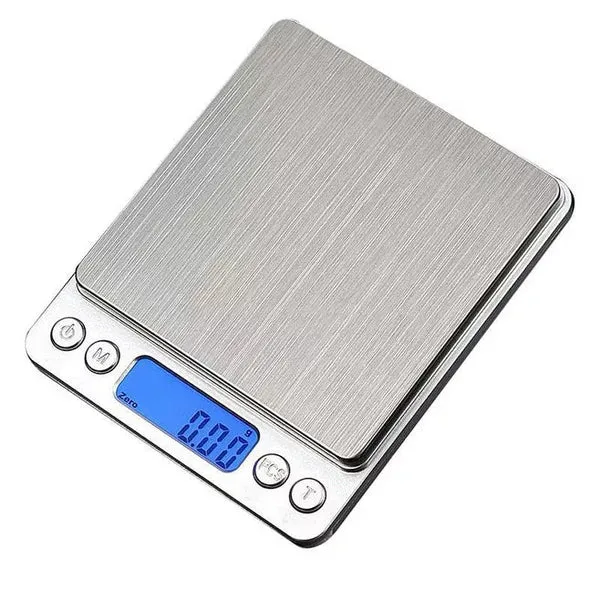
Digital Pocket Kitchen Scale, 1000 g x 0.1 g
£35.99 incl. VAT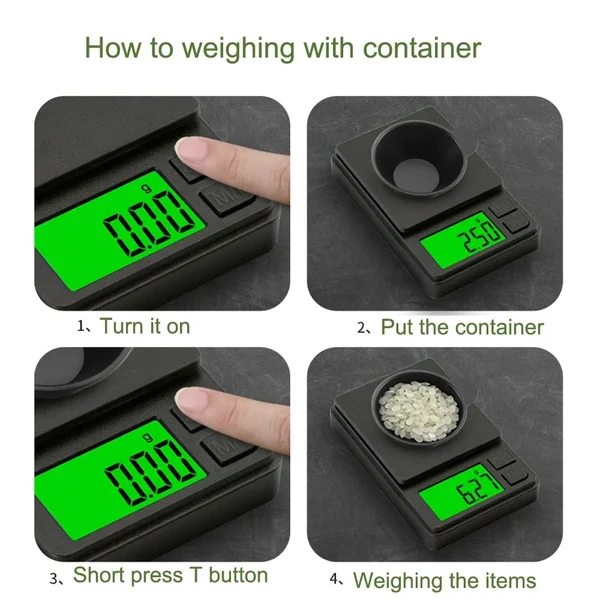
Precision Digital Pocket Scale with Backlit LCD
£47.99 incl. VAT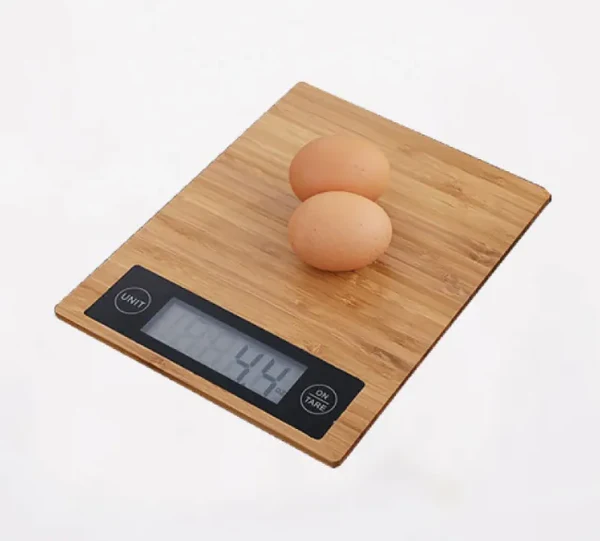
Digital Kitchen Scale, 5000 g
£83.99 incl. VATPick a type
Each type has its own page, filters and sorting, so the list you compare stays short.
Every brand in this category
How to choose
- Resolution and readability: Match the readability of analytical balances, calipers, and thermometers to the finest increment your workflow needs.
- Compare the makers listed on size, material, finish and care: Selvanelle, LEDSone and Eshogar.
- Compare a few options side by side on the same points rather than judging each one alone.
Frequently asked questions
What should I check when choosing an analytical balance or precision scale?
Compare maximum capacity, display readability, pan diameter, and whether a draught shield is needed for fine weighing.
How do I keep a precision balance reading consistently?
Place the balance on a level vibration-free bench away from air currents, allow it to warm up, and zero it before weighing.
What signs of good making should I look for in analytical balances?
Look for clean joins, even finishing and edges or seams that feel smooth; in analytical balances, small details like these say a lot about how carefully something was put together.
How do the main types of analytical balances differ?
Types of analytical balances differ in shape, size, material and the job they are designed for, so compare them on those points rather than on the name alone.
How do I look after analytical balances?
Care for analytical balances depends on the material, so follow the care notes for each item; in general, regular light cleaning and dry storage keep things in good shape.