
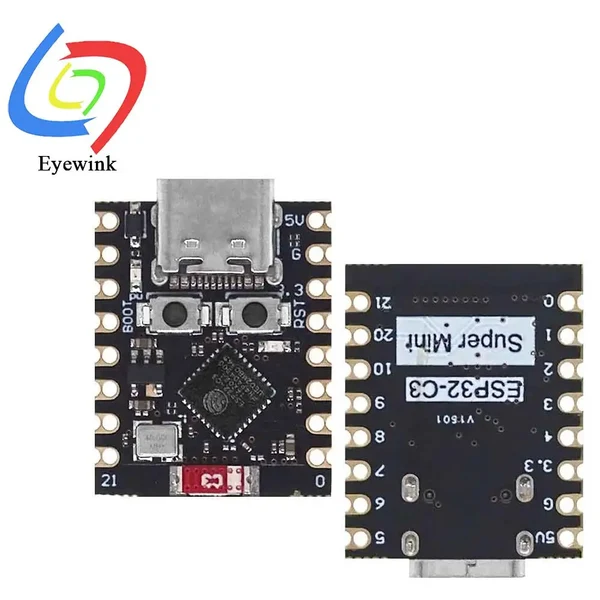
ESP32-C3 Super Mini Development Board, 16-Pin Type-C
£40.99 incl. VAT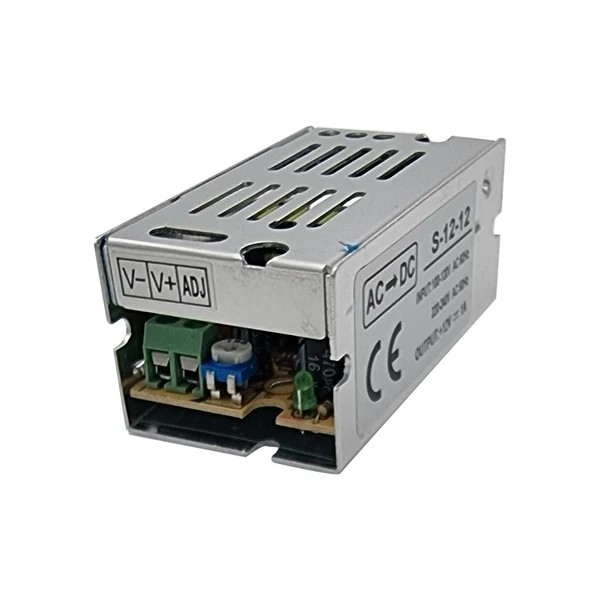
12 V 1 A Regulated Switching Power Supply
£5.99 incl. VAT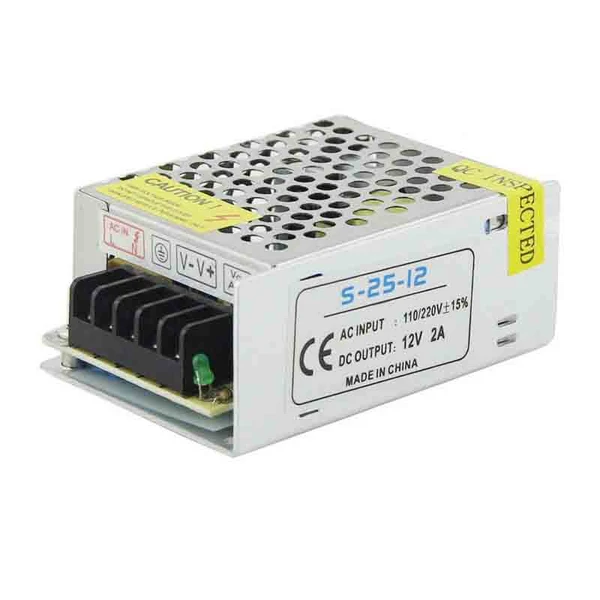
12V 24W 2A DC Regulated Switching Power Supply
£6.99 incl. VAT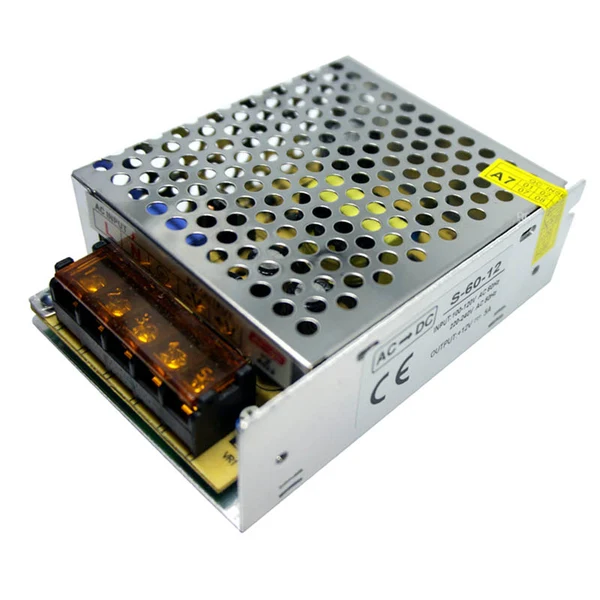
60W DC 12V 5A Switching Power Supply
£18.99 incl. VAT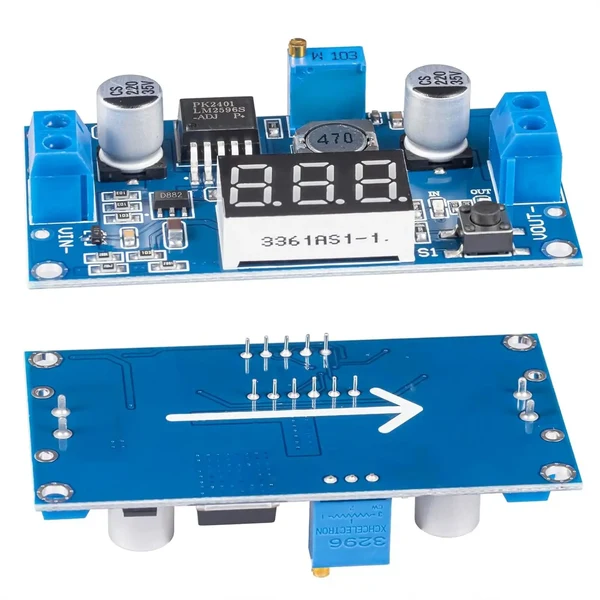
AOKIN DC-DC Buck Converter 5 Pack, 1.5-35 V Adjustable
From £40.99 incl. VAT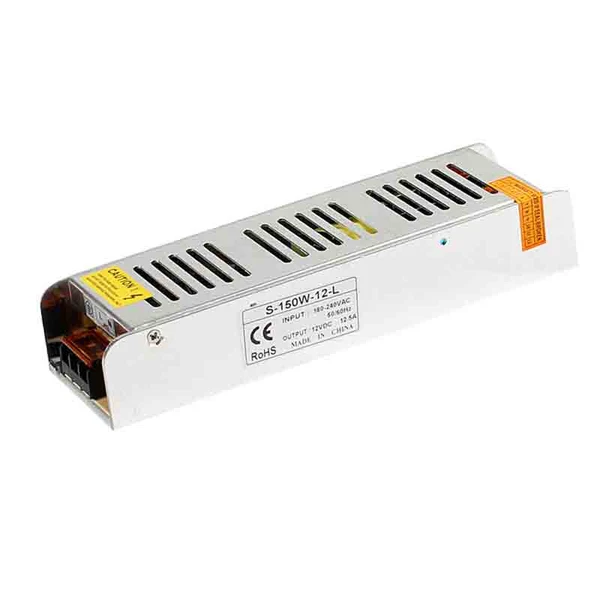
IP20 150 W AC 110/220 V to DC 12 V Power Supply
£27.99 incl. VAT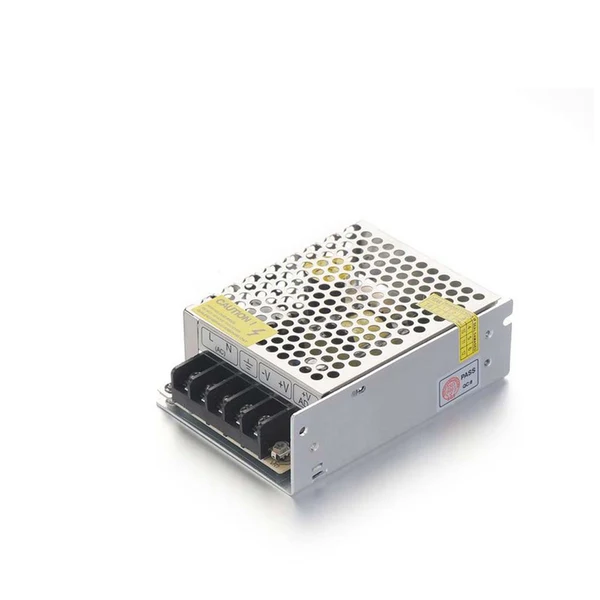
24 V 3 A 72 W Regulated Switching Power Supply
£18.99 incl. VAT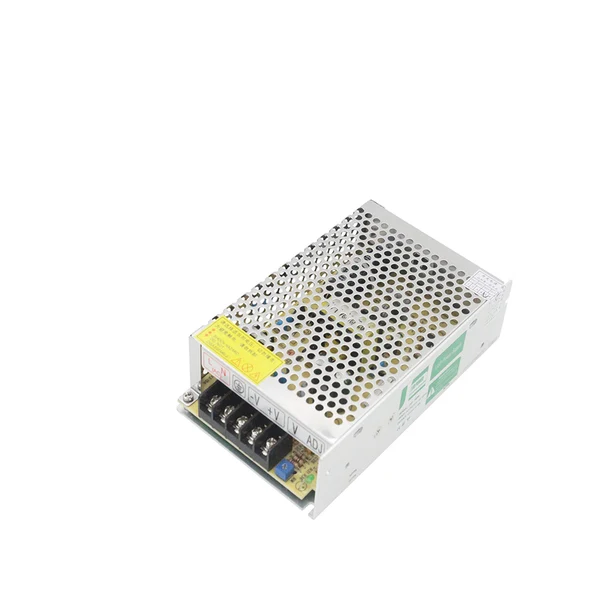
24 V 120 W DC Regulated Switching Power Supply
£26.99 incl. VAT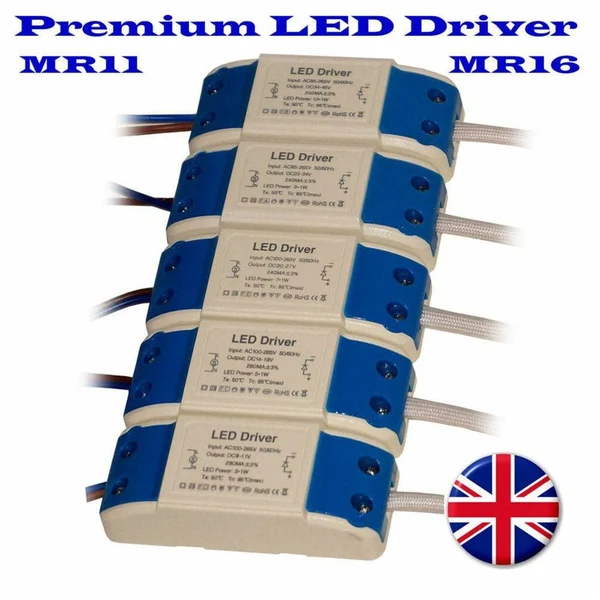
Constant Current LED Power Supply Electronic Driver
£31.99 incl. VAT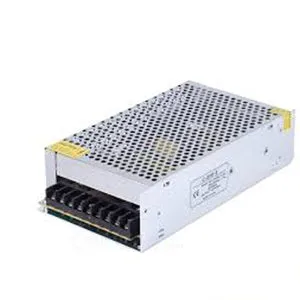
5V 200W 40A Regulated LED Transformer
£32.99 incl. VAT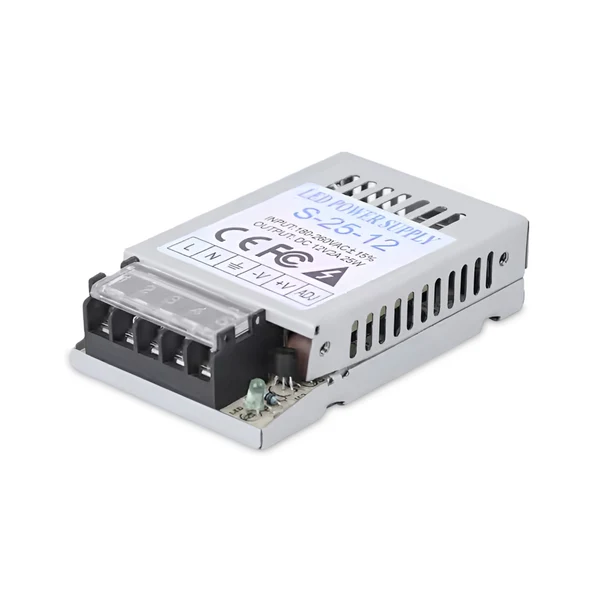
12 V 25 W Mini Switching Power Supply Driver ~5455
£9.99 incl. VAT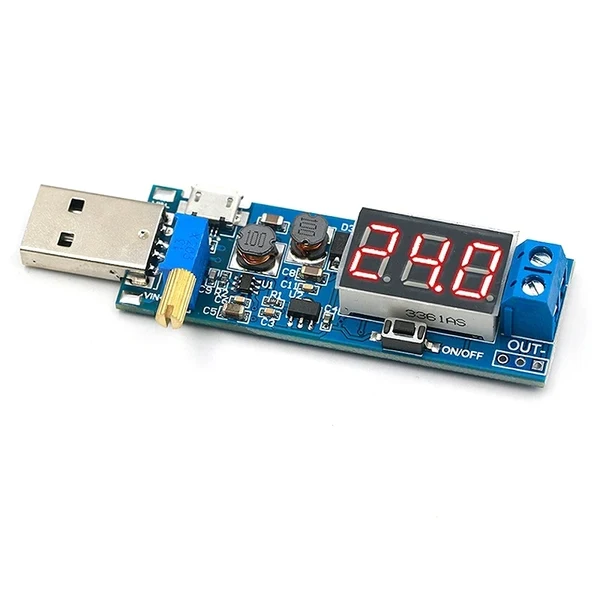
Boost Buck DC-DC Converter Step-Up/Down Power Module, 1.2-24 V
£40.99 incl. VAT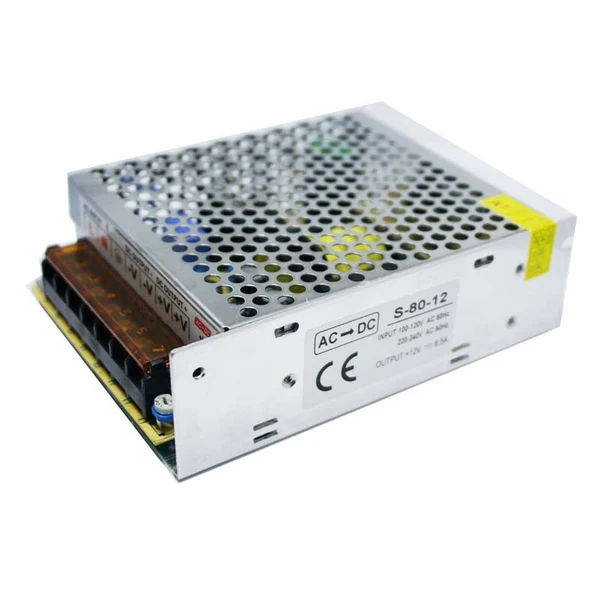
80W 12V 6.5A Regulated Switching Power Supply
£16.99 incl. VAT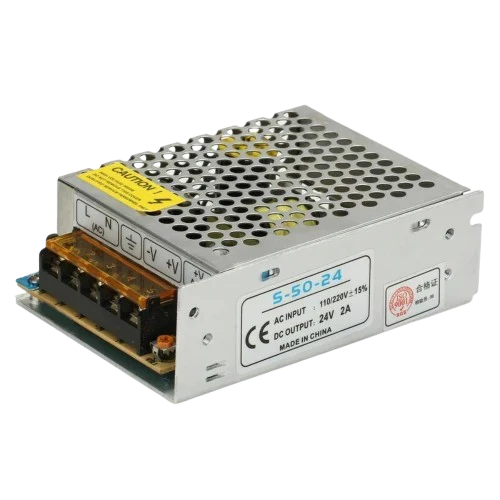
24 V LED Regulated Power Supply Transformer 2223
From £15.99 incl. VAT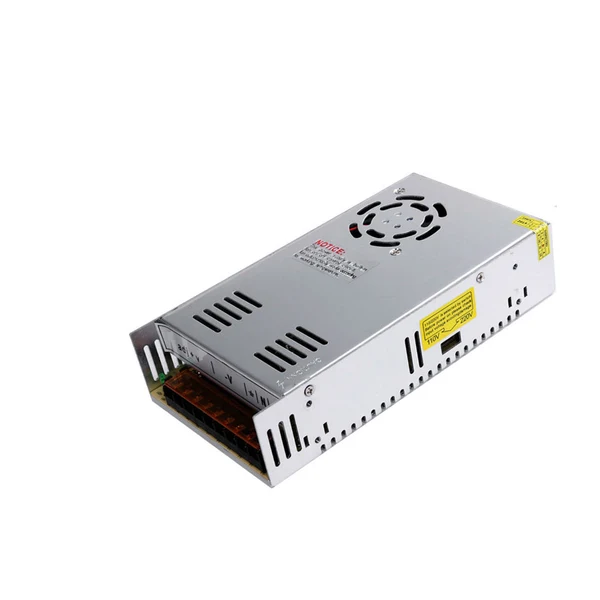
24V 360W AC to DC Regulated Power Supply
£42.99 incl. VATPick a type
Each type has its own page, filters and sorting, so the list you compare stays short.
Every brand in this category
How to choose
- Power and bench portability: Battery-powered handheld testers and pocket scales travel between sites, whereas mains-powered bench instruments suit fixed stations.
- Sensor interface and environment: Verify operating temperature ranges, probe enclosures, and connectivity before installing temperature, leak, or motion sensors.
- Magnification and working distance: Pick stereo microscopes with longer working distance for soldering and assembly, and compound scopes for thin slide specimens.
- Decide on the job first, then the type: the right type narrows every other choice.
- Check how it is put together: clean joins and neat finishing are good signs of careful making.
Frequently asked questions
Where are temperature and water leak sensors most useful?
Compact sensors monitor server cupboards, workshops, greenhouses, and utility rooms where early drift or moisture alerts matter.
Can sensor development boards handle everyday use?
Whether sensor development boards can handle daily use depends on material and construction; for frequent use, look for sturdy builds and finishes that are easy to care for.
What should I look at first when choosing sensor development boards?
When choosing sensor development boards, start with the job in hand, then size, then material and finish; that order rules out the wrong types quickly.
Where do I start if I am new to sensor development boards?
If you are new to sensor development boards, start with a versatile, all-round type in a material that is easy to care for, then add more specialised types once you know what you use.
Do size names for sensor development boards mean the same thing everywhere?
Size names vary because makers label sensor development boards differently, so compare stated dimensions, materials and descriptions instead of relying on the label.