
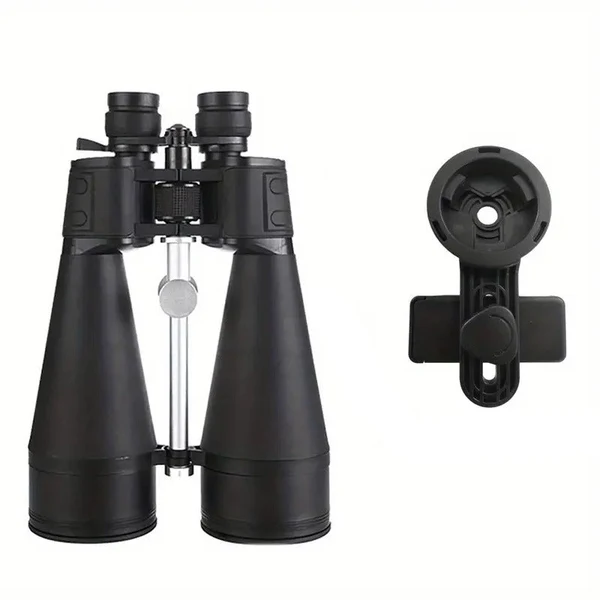
Binoculars 25X to 55X with Phone Mount
£592.99 incl. VAT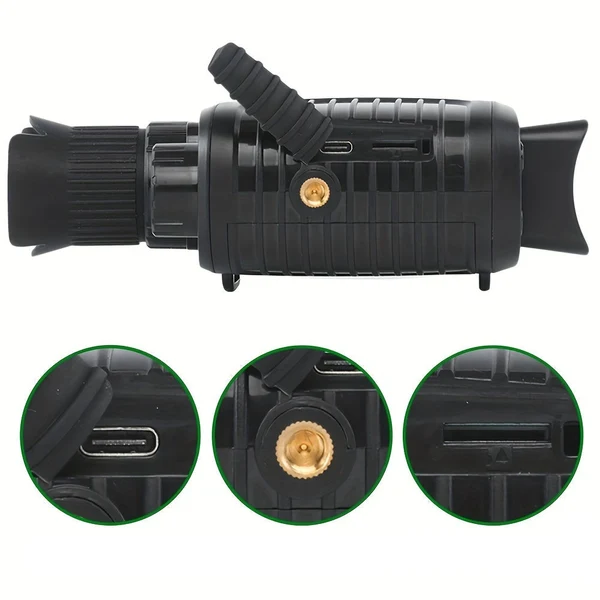
R7 Infrared Night Vision Monocular
£156.99 incl. VAT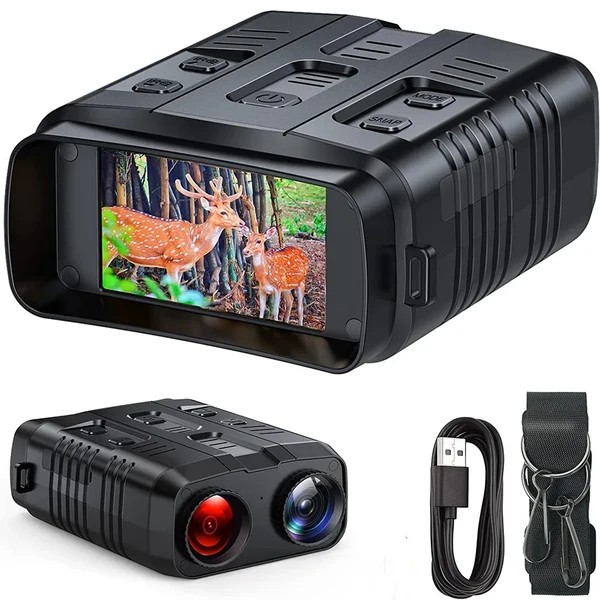
R19 Digital Night Vision Binoculars with Video Recording
£123.99 incl. VATPick a type
Each type has its own page, filters and sorting, so the list you compare stays short.
How to choose
- Power and bench portability: Battery-powered handheld testers and pocket scales travel between sites, whereas mains-powered bench instruments suit fixed stations.
- Consider storage: shape and size decide how easily it tucks away between uses.
- Compare a few options side by side on the same points rather than judging each one alone.
Frequently asked questions
When should I choose a trinocular stereo microscope over a binocular model?
A trinocular head adds a dedicated third port for a digital camera so you can view samples through both eyepieces while recording images or live video.
Where do I start if I am new to optical binoculars?
If you are new to optical binoculars, start with a versatile, all-round type in a material that is easy to care for, then add more specialised types once you know what you use.
Which material is a good choice for optical binoculars?
There is no single right material for optical binoculars: compare weight, feel and care needs, and choose the one that suits how often and where it will be used.
What signs of good making should I look for in optical binoculars?
Look for clean joins, even finishing and edges or seams that feel smooth; in optical binoculars, small details like these say a lot about how carefully something was put together.
Which types of optical binoculars are there?
Each main type of optical binoculars suits a slightly different need, so start with the one closest to yours. The main types covered here: Night Vision Binoculars and Optical Telescopes.