
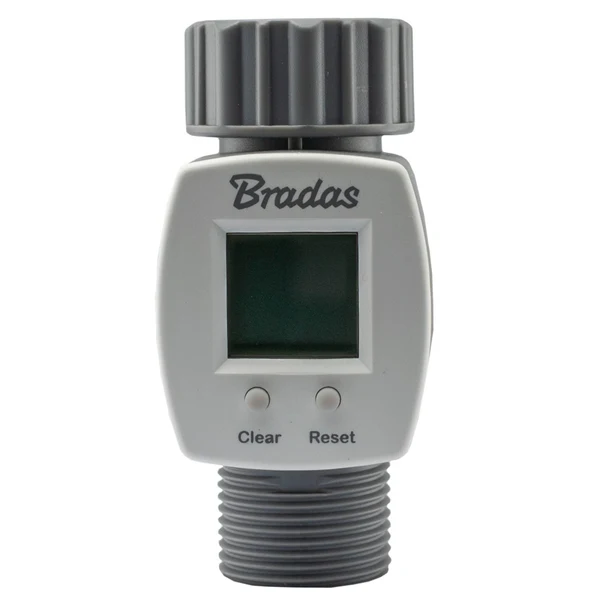
Water Flow Meter with LCD Display, 3/4 in BSPM-F Thread
£58.99 incl. VAT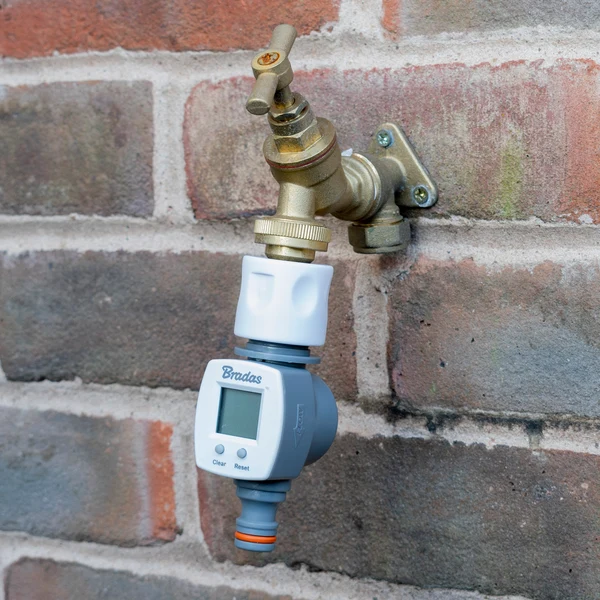
Water Flow Meter with Snap-On Quick Connect and LCD Display
£58.99 incl. VAT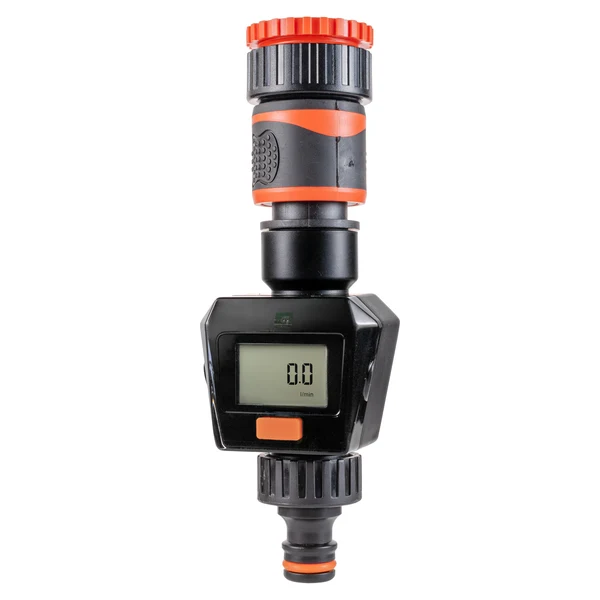
Water Flow Meter with Display, Black and Orange, 2-50 L/min
£30.99 incl. VAT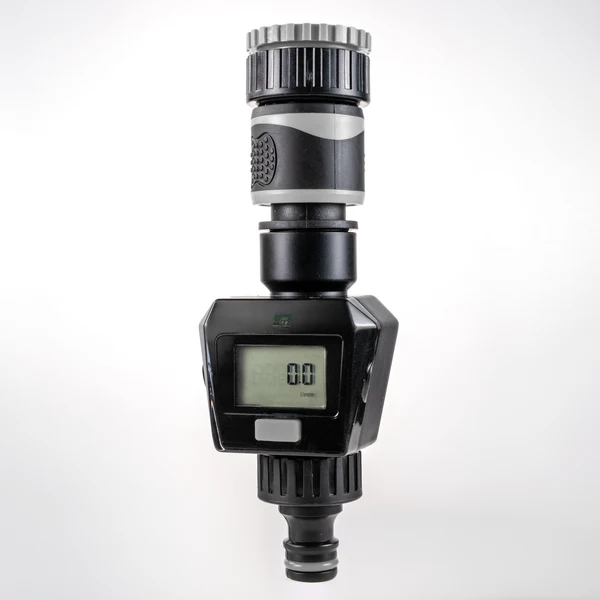
Grey Water Flow Meter with Reducing Connector
£30.99 incl. VAT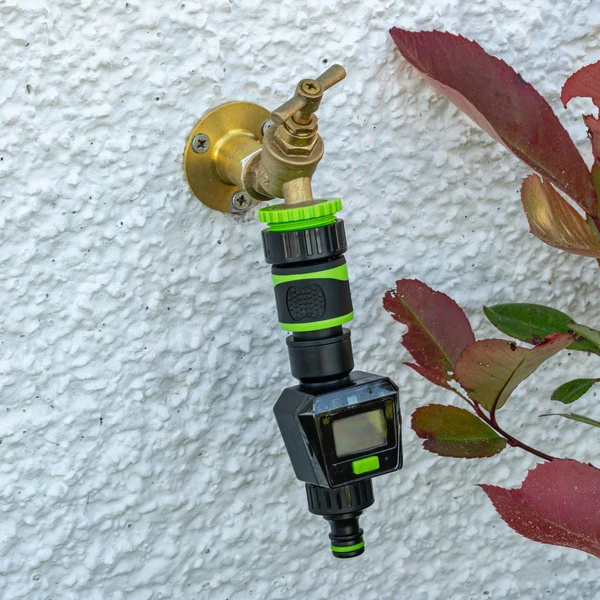
Green Water Flow Meter with Display, ABS Body
£30.99 incl. VAT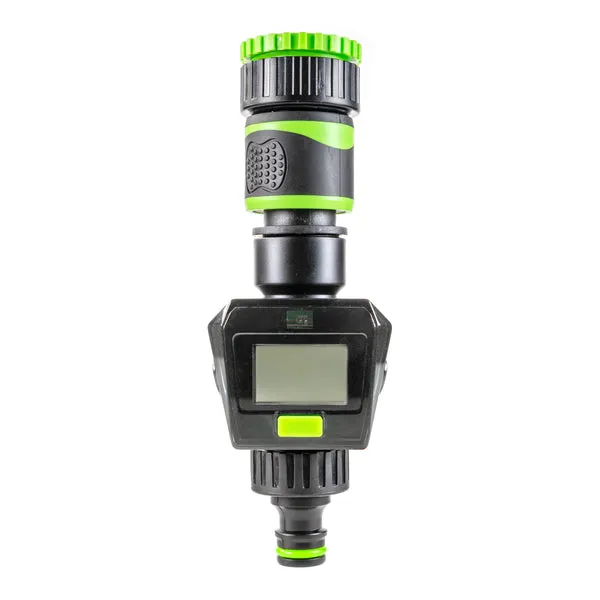
Water Flow Meter in Green and Black, Pack of 1
From £23.99 incl. VAT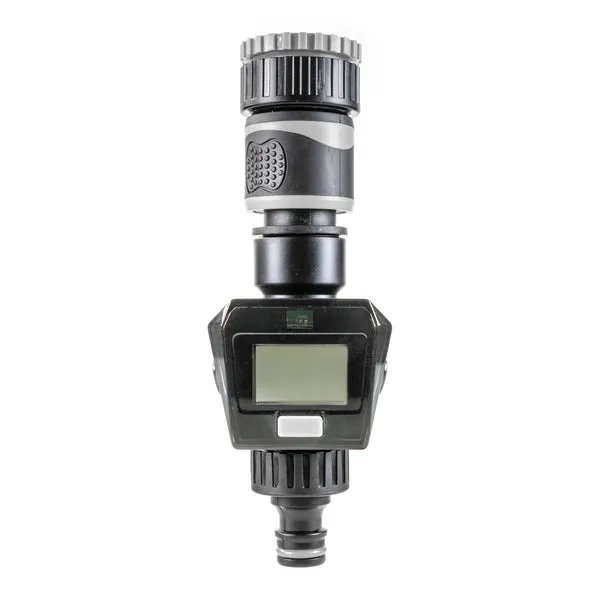
Water Flow Meter, Grey & Black
From £23.99 incl. VAT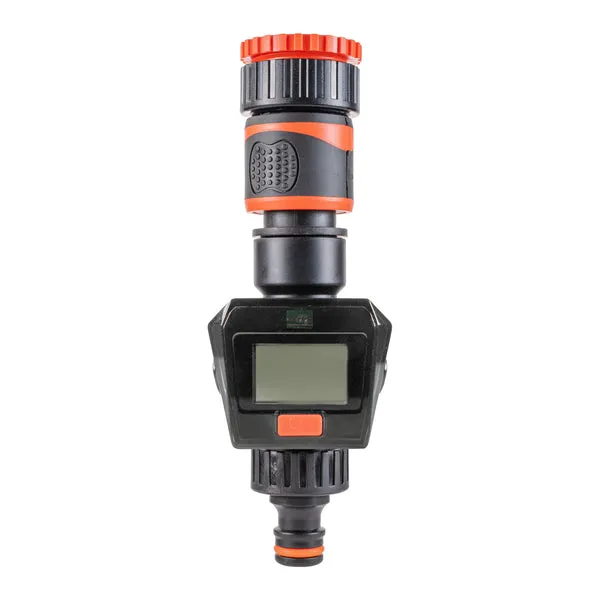
Water Flow Meter, Orange & Black
From £23.99 incl. VAT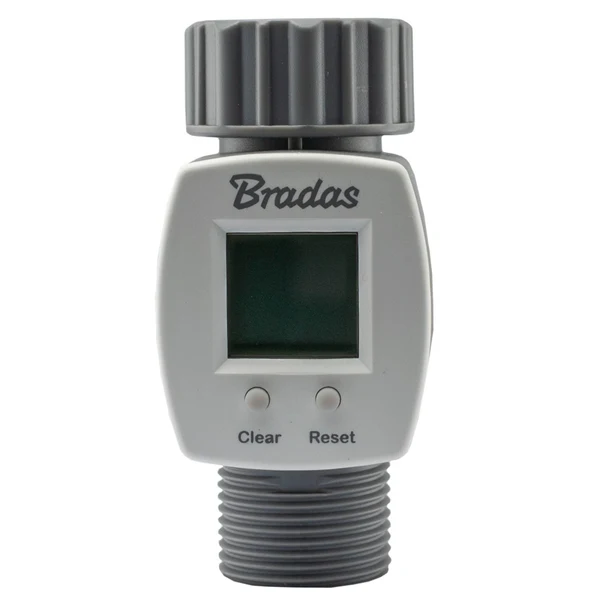
Water Flow Meter 3/4″ BSP Thread
From £44.99 incl. VATPick a type
Each type has its own page, filters and sorting, so the list you compare stays short.
Every brand in this category
How to choose
- Stand geometry and lighting: Boom stands reach across large circuit boards, while integrated ring illumination keeps shadows off fine inspection surfaces.
- Magnification and working distance: Pick stereo microscopes with longer working distance for soldering and assembly, and compound scopes for thin slide specimens.
- Check how it is put together: clean joins and neat finishing are good signs of careful making.
- Compare a few options side by side on the same points rather than judging each one alone.
Frequently asked questions
How should I clean microscope lenses and refractometer prisms?
Blow off loose dust first with an air bulb, then wipe gently in circles using clean lens tissue and an appropriate optical lens cleaner.
How does an optical refractometer measure liquid concentration?
It gauges how light bends through a thin drop of sample placed on a glass prism, giving a direct scale reading such as Brix or salinity.
What should I check when replacing refractometers?
When replacing refractometers, note what worked and what did not with what you had before, then use that as a checklist for size, material and finish.
How do the main types of refractometers differ?
Types of refractometers differ in shape, size, material and the job they are designed for, so compare them on those points rather than on the name alone.