
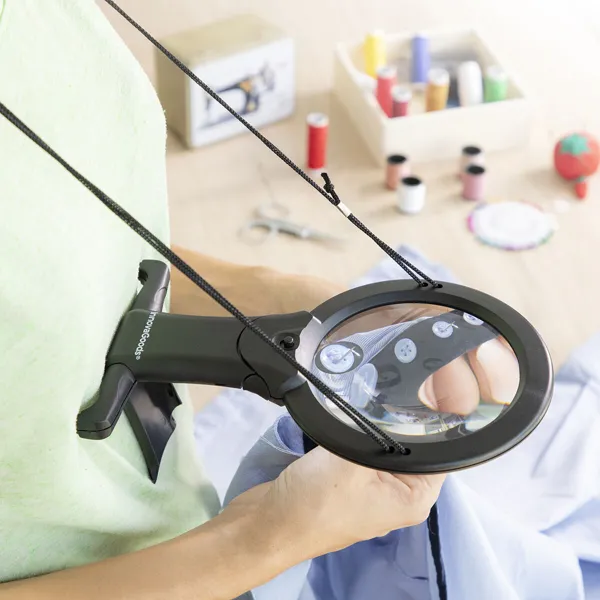
Zooled Hands-Free Magnifying Glass with LED Light
£14.99 incl. VAT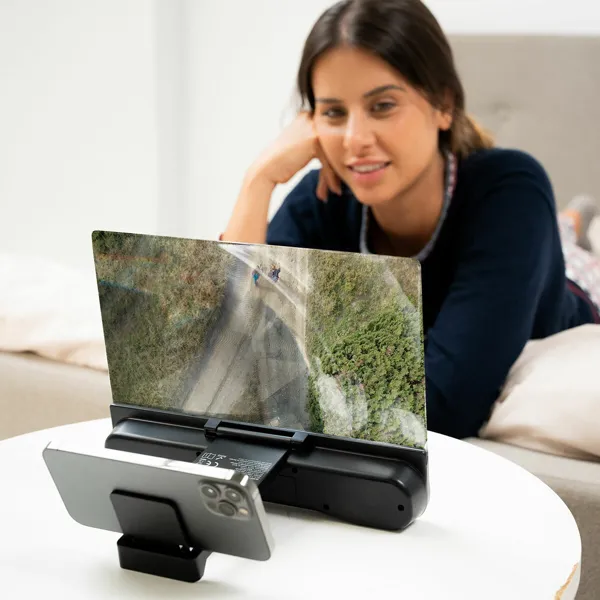
Screenier Rechargeable Magnifier with BT Speaker
£30.99 incl. VAT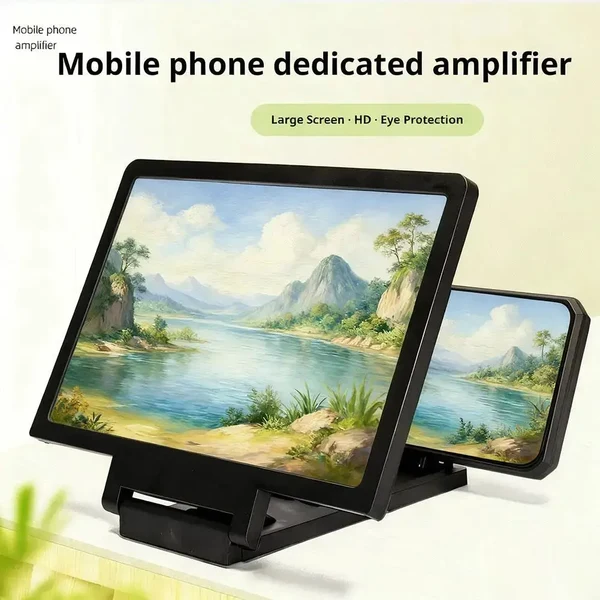
Phone Screen Magnifier 18 cm x 14 cm
£10.99 incl. VAT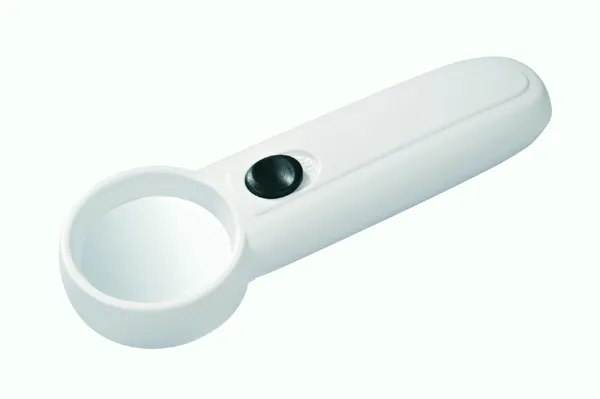
x10 LED Light Magnifying Glass
£21.99 incl. VAT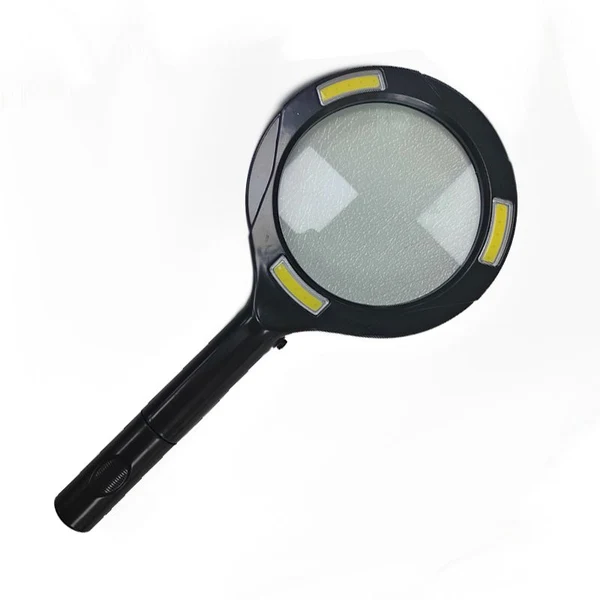
Magnifying Glass with 3 Built-In Lights, 5x
£26.99 incl. VAT
Chameleon Desk Magnifier, 3X, Dimmable, 52 cm
£118.99 incl. VAT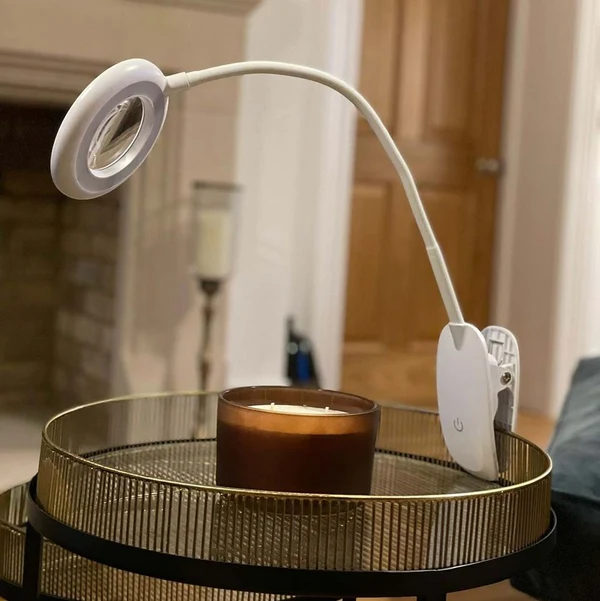
Clip on Magnifier Lamp
£86.99 incl. VAT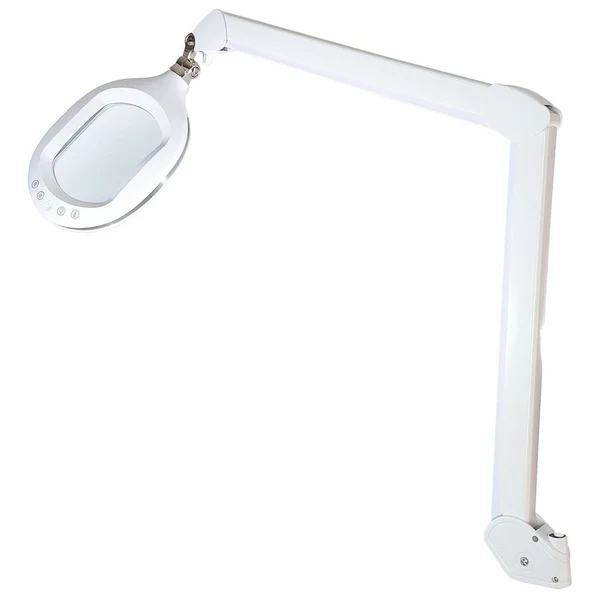
Chameleon Magnifier Wide Lens
£292.99 incl. VATPick a type
Each type has its own page, filters and sorting, so the list you compare stays short.
Every brand in this category
How to choose
- Calibration access: Check whether balances, refractometers, and pH meters support quick user zeroing with reference weights or calibration solutions.
- Magnification and working distance: Pick stereo microscopes with longer working distance for soldering and assembly, and compound scopes for thin slide specimens.
- Weigh look and function together; something you like the look of is more likely to be used.
- Once you know which type you need, narrow down by type: Inspection Loupes and Magnifying Bench Lamps.
Frequently asked questions
Do size names for inspection magnifiers mean the same thing everywhere?
Size names vary because makers label inspection magnifiers differently, so compare stated dimensions, materials and descriptions instead of relying on the label.
How do I match inspection magnifiers with what I already own?
To match inspection magnifiers with what you already own, keep one element constant, such as material, colour or finish, and let the others vary.
What should I check when replacing inspection magnifiers?
When replacing inspection magnifiers, note what worked and what did not with what you had before, then use that as a checklist for size, material and finish.