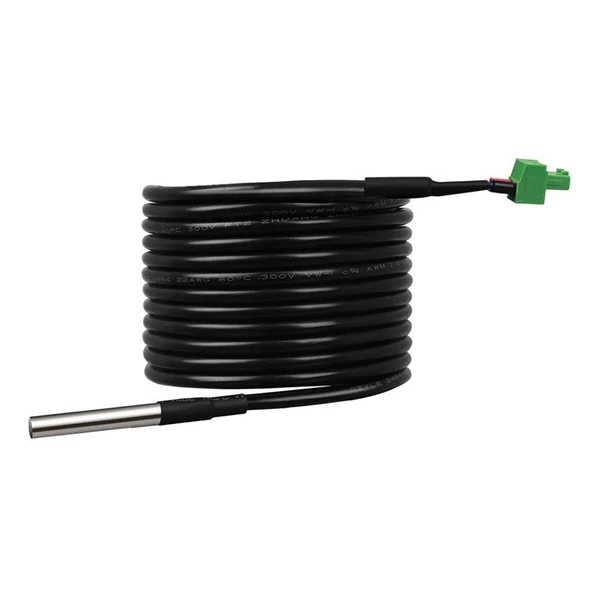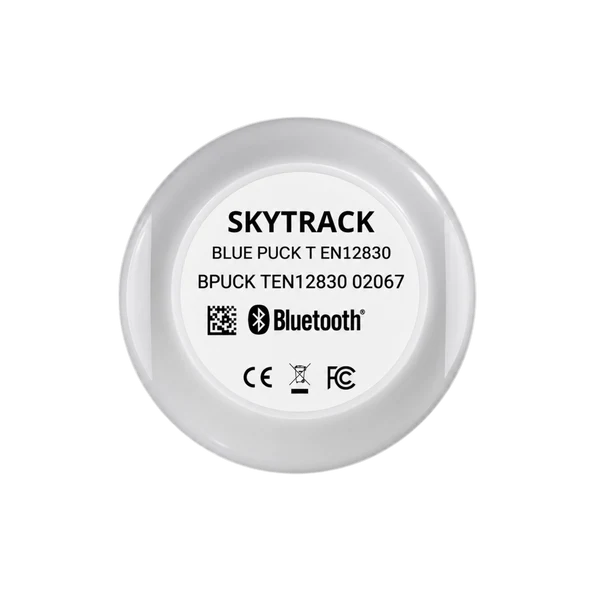
Temperature Sensors

Temperature Sensors can overlap with neighbouring kinds, so it helps to know exactly where the differences lie. Finish affects both look and upkeep, as some surfaces show marks more readily than others. Weight matters more than it seems, since something too heavy or too light can be awkward in use.

Compare types

Weigh up the related types

Seeing the related types side by side gives a clearer view of what this one does well and where another may fit better.

Makers to compare

Compare the same type across brands on specifications, not on reputation alone.

How to choose

  • Consider the weight, since it affects how comfortable it is in use.
  • Look at the finish: some surfaces show marks or wear more readily than others.
  • Pay attention to the parts you touch every time, such as handles, edges or fastenings.

Frequently asked questions

Where are temperature and water leak sensors most useful?

Compact sensors monitor server cupboards, workshops, greenhouses, and utility rooms where early drift or moisture alerts matter.

How do I care for temperature sensors?

Care for temperature sensors depends on the material, so follow the care instructions for each item; gentle cleaning and dry storage suit many materials.

Why do sizes of temperature sensors vary between makers?

There is no shared size standard for temperature sensors across makers, so the same size name can mean different measurements; check the stated dimensions instead.

How do I get the size of temperature sensors right?

Measure the space, the person or the item it needs to fit, then compare that with the stated dimensions of temperature sensors rather than the size name.