
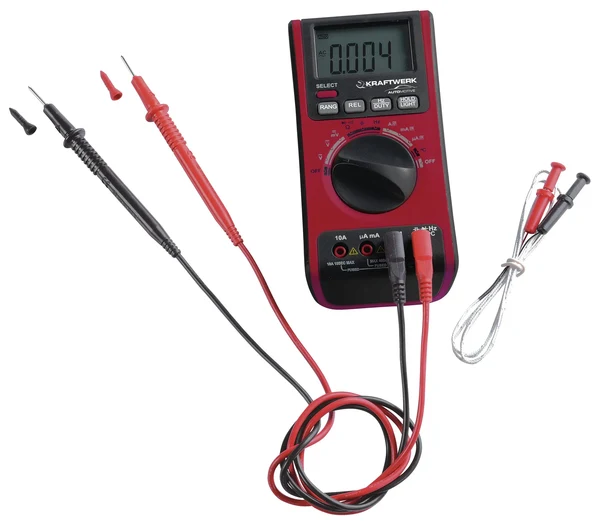
PRO LINE Digital Multimeter, Red
£245.99 incl. VAT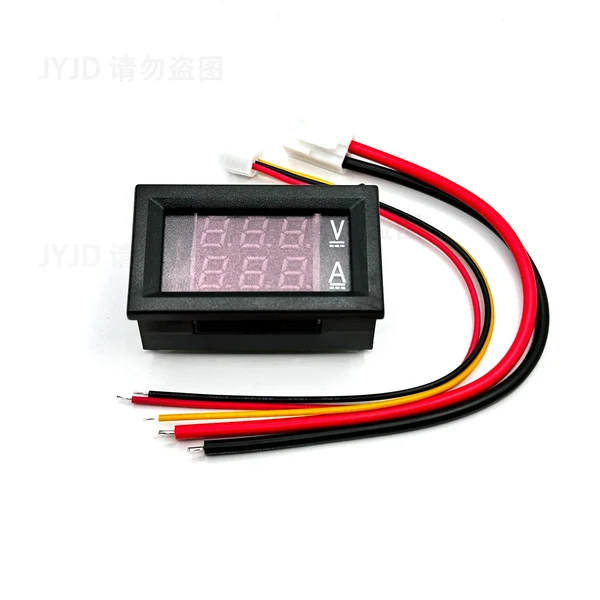
DC 0-100 V 10 A Dual Display Digital Voltmeter Ammeter, 0.28 in
£40.99 incl. VAT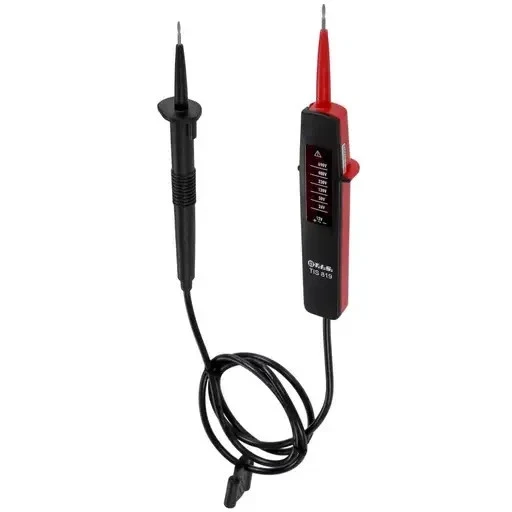
TIS 819 Voltage Tester
£21.99 incl. VAT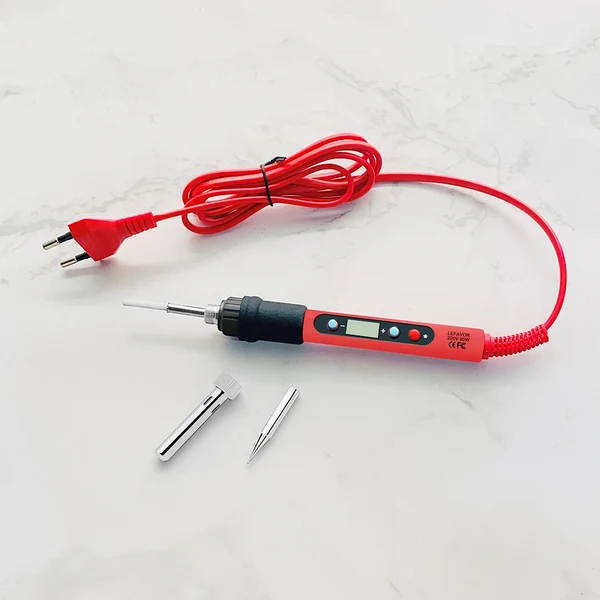
80 W Digital Soldering Iron Kit, Adjustable 180-500°C
£64.99 incl. VATPick a type
Each type has its own page, filters and sorting, so the list you compare stays short.
Every brand in this category
How to choose
- Stand geometry and lighting: Boom stands reach across large circuit boards, while integrated ring illumination keeps shadows off fine inspection surfaces.
- Magnification and working distance: Pick stereo microscopes with longer working distance for soldering and assembly, and compound scopes for thin slide specimens.
- Choose a set if you want everything to match, or single items if you prefer to mix and build up.
- Look closely at small details such as edges, seams, joins or fastenings; they show how carefully something is made.
Frequently asked questions
How should I store digital calipers, thermometers, and voltage testers?
Wipe metal jaws and probes dry after use, switch instruments off, and store them in fitted cases away from damp workshops.
How do I look after electrical testers?
Care for electrical testers depends on the material, so follow the care notes for each item; in general, regular light cleaning and dry storage keep things in good shape.
Where do I start if I am new to electrical testers?
If you are new to electrical testers, start with a versatile, all-round type in a material that is easy to care for, then add more specialised types once you know what you use.
Can electrical testers handle everyday use?
Whether electrical testers can handle daily use depends on material and construction; for frequent use, look for sturdy builds and finishes that are easy to care for.
Who might choose electrical testers?
Anyone with a clear use in mind can choose electrical testers well; what matters is matching the type, size and material to that use rather than to a label.