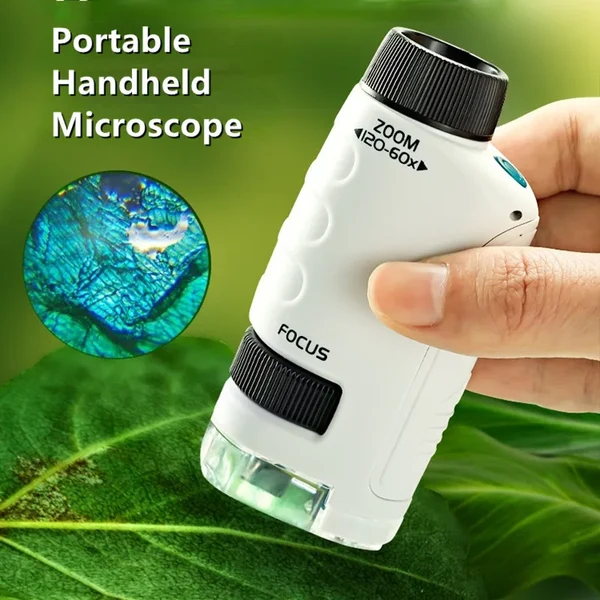
Trinocular Stereo Microscopes can overlap with neighbouring kinds, so it helps to know exactly where the differences lie. Fastenings, handles or edges deserve a second look, because they are what you touch every time. Comparing against neighbouring kinds helps confirm the choice: Digital Microscopes, Compound Microscopes, Kids Microscopes and Microscope Boom Stands.
If it must work with something you already own, check that the two fit together.
For a gift, keep to versatile sizes and materials that are easy to care for.
Check the care instructions and make sure they suit your routine.
Frequently asked questions
How do stereo microscopes differ from compound laboratory microscopes?
Stereo microscopes give a three-dimensional low-to-medium view of solid objects, while compound microscopes illuminate translucent slides at higher magnification.
When should I choose a trinocular stereo microscope over a binocular model?
A trinocular head adds a dedicated third port for a digital camera so you can view samples through both eyepieces while recording images or live video.
How do I get the size of trinocular stereo microscopes right?
Measure the space, the person or the item it needs to fit, then compare that with the stated dimensions of trinocular stereo microscopes rather than the size name.
How heavy should trinocular stereo microscopes be?
The right weight for trinocular stereo microscopes depends on use: lighter suits frequent handling, while heavier can feel steadier; check the stated weight where it is given.
How can I judge the build of trinocular stereo microscopes?
To judge trinocular stereo microscopes, look at joins, seams, edges or fastenings: neat, even work and a consistent finish are good signs of careful making.